Product Description
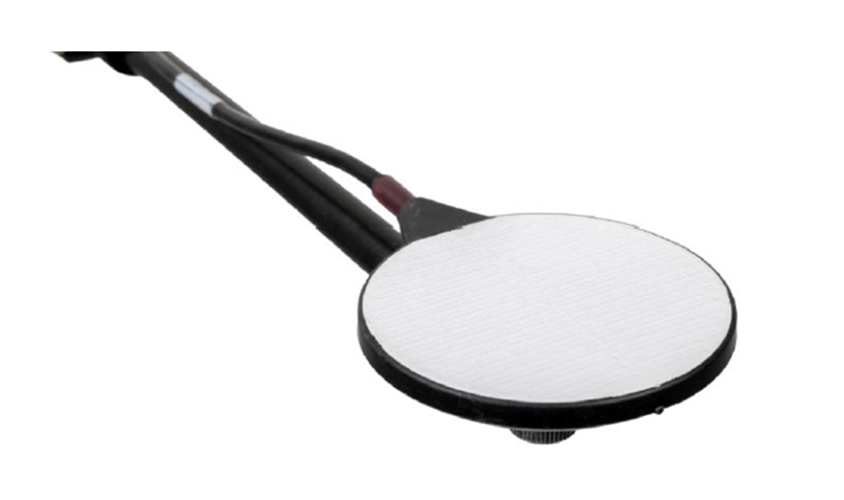
Apoges new UV-A radiometers offer a low-cost option for continuously measuring UV-A radiation in outdoor environments, laboratory settings, and monitoring the filtering ability and stability of various materials.
Reliable UV-A Radiation MonitoringThe SU-200 UV-A Sensor offers accurate, real-time detection of ultraviolet A light, making it indispensable for environmental researchers, industrial safety, and process monitoring. Its broad temperature tolerance and sturdy construction ensure performance in varied and demanding settings.
Versatile and Easy-to-Integrate DesignCompact, lightweight, and with a five-meter cable included, the SU-200 fits seamlessly into existing systems. Its universal 0 to 2.5 V analog output and 5-24 V DC power compatibility simplify installation and integration with a range of data loggers and controllers.
FAQ's of UV-A SENSORS (SU-200):
Q: How is the SU-200 UV-A Sensor typically used?
A: The SU-200 is commonly employed in applications such as environmental monitoring, UV sterilization processes, and industrial safety assessments, where accurate UV-A measurement is critical.
Q: What is the response time of the SU-200 sensor?
A: The SU-200 features a response time of less than one second, allowing for quick adaptation to changing UV-A radiation levels and real-time data collection.
Q: Where can the SU-200 be installed or operated?
A: Thanks to its rugged design and wide operating temperature range (-40C to 70C), the SU-200 can be installed both indoors and outdoors, including harsh environments.
Q: What benefit does the SU-200's photodiode detector provide?
A: The sensor's photodiode detector ensures high sensitivity and consistent accuracy in detecting UV-A wavelengths, enhancing data reliability in measurement applications.
Q: How is data output from the SU-200 sensor?
A: The SU-200 delivers a straightforward analog voltage output (0 to 2.5 V), compatible with most standard data acquisition systems and loggers used in research and industrial fields.
Q: What process is required to power the SU-200 UV-A Sensor?
A: To power the sensor, simply supply it with a DC voltage between 5 to 24 V. This makes it adaptable to various power sources in laboratory or field environments.
 Call Us : +919412072697 07971891549( PIN:590)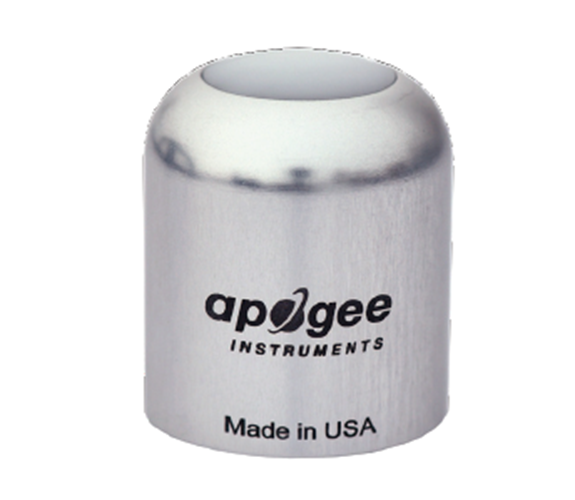







 Send Inquiry
 Send Inquiry
 Send SMS