Product Description
Apogee offers two different underwater calibrated meters at two different price points. The basic MQ-210 features our original detector that is excellent for broadband light sources. The research-grade MQ-510 features an improved detector excellent for all light sources, including LEDs, and matches LI-COR and Kipp & Zonen PAR sensors in accuracy while costing much less.
Rugged Submersible DesignEngineered for reliability in challenging aquatic environments, the MQ-210 features a UV-stabilized, corrosion-resistant housing and a robust polycarbonate and stainless steel body. This ensures both long-term performance and submersibility up to 30 meters, making it well-suited for demanding underwater research and monitoring tasks.
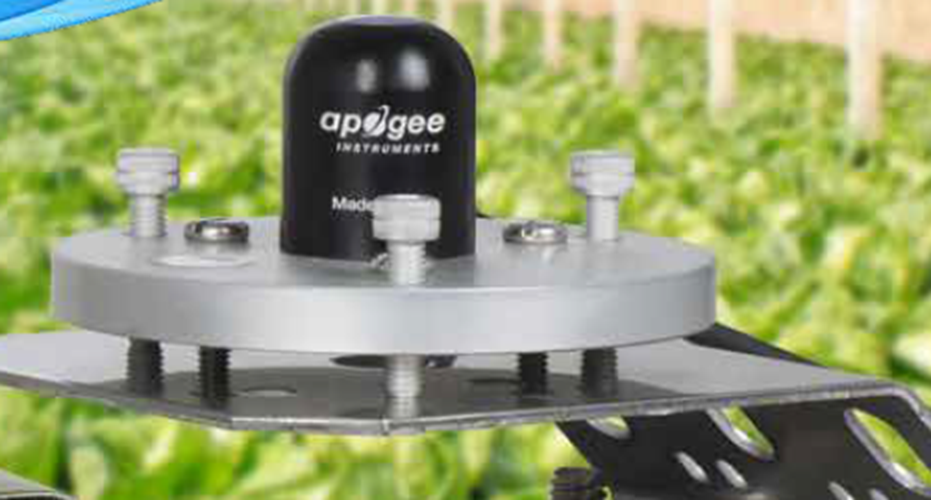
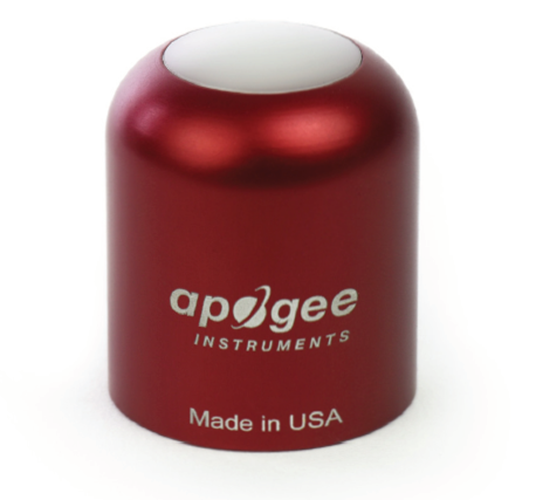
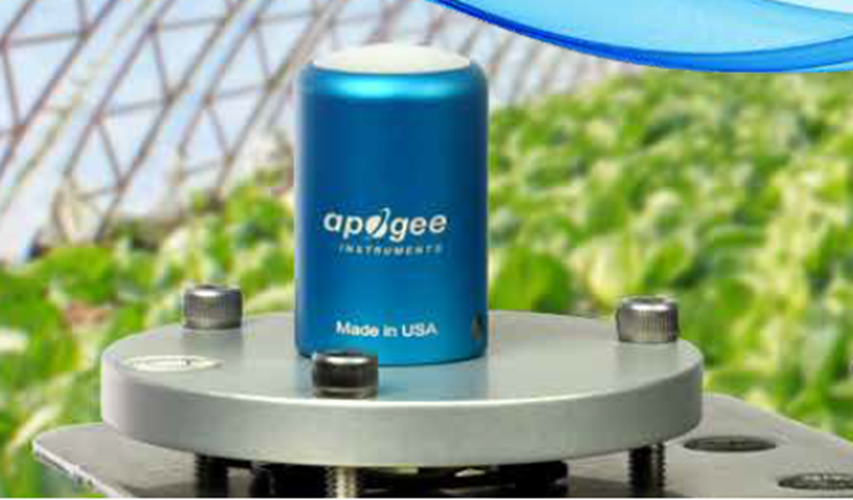
Precision Quantum SensingThe MQ-210 employs a quantum sensor with a cosine-corrected silicon photodiode, ensuring highly accurate PAR measurements in the 400-700 nm spectral range. NIST-traceable calibration offers scientific confidence and comparability, while the optical glass dome window safeguards sensor integrity during extended aquatic deployments.
Versatile Data IntegrationWith analog output (0-2.5 V) and compatibility with most standard data loggers, the MQ-210 seamlessly integrates into existing data collection systems. Its low power consumption and customizable 5-meter polyurethane cable facilitate versatile field setups for scientists, researchers, and environmental professionals.
FAQ's of UNDERWATER QUANTUM (PAR) METERS (MQ-210):
Q: How is the MQ-210 underwater quantum (PAR) meter used in aquatic research?
A: The MQ-210 is deployed underwater where it measures photosynthetically active radiation (PAR) within the 400-700 nm range. Researchers use it to study light penetration in aquatic environments, which is critical for understanding primary productivity and ecosystem dynamics in freshwater and marine settings.
Q: What makes the sensor housing suitable for underwater measurements?
A: The sensor housing of the MQ-210 is constructed from UV-stabilized polycarbonate and corrosion-resistant stainless steel, providing long-term durability in harsh aquatic environments. Its IP68 rating allows for submersion up to 30 meters, ensuring reliable operation in lakes, rivers, and ocean waters.
Q: When should I calibrate the MQ-210 sensor, and how is it calibrated?
A: The MQ-210 comes with NIST-traceable calibration for scientific accuracy. It is recommended to recalibrate the sensor at intervals specified by the manufacturer or whenever measurement reliability is essential, such as before high-stakes field campaigns. Calibration is typically performed using recognized laboratory standards and procedures.
Q: Where can the MQ-210 be deployed for measurements?
A: The rugged, submersible design allows the MQ-210 to be deployed in a wide variety of aquatic environments including oceans, lakes, rivers, wetlands, and constructed water bodies. Its construction and depth rating make it adaptable for use in both research projects and routine environmental monitoring.
Q: What is the process for integrating the MQ-210 with data loggers?
A: The MQ-210 outputs an analog voltage (0 to 2.5 V), which can be directly connected to most industry-standard data loggers. Connecting the sensor involves attaching its cable to the logger's analog input channels and configuring sampling parameters according to your research needs.
Q: What are the benefits of using the MQ-210 quantum PAR meter for environmental monitoring?
A: The MQ-210 offers precise, rapid (<1 ms response), and highly accurate (5%) PAR measurements essential for ecological studies. Its NIST-traceable calibration and robust field-ready design provide data reliability, while low power consumption and customizable cable lengths support flexible, extended deployments.
 Call Us : +919412072697 07971891549( PIN:590)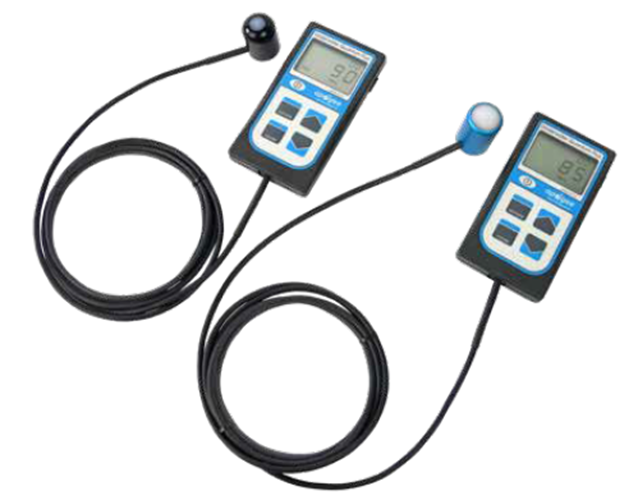







 Send Inquiry
 Send Inquiry
 Send SMS