Product Description
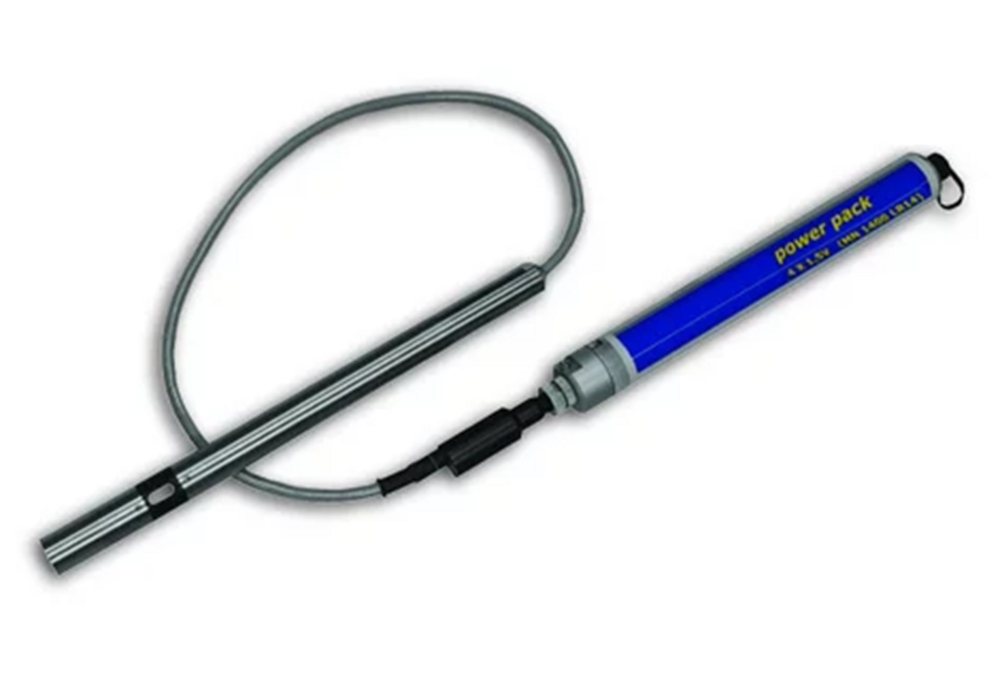
Virtual Hydromet Cup Pygmy Type Water Current Meter, delivers precision velocity measurements in shallow flowing streams, rivers, canals, and open channels. Built with a rugged, chrome plated brass body, this high performance instrument features a bucket wheel assembly with six hand formed, individually soldered conical cups designed to rotate responsively to fluid flow. Paired with a microcontroller based digital counter or water velocity indicator, it seamlessly measures flow speeds across an operating range of 0.3 to 3.5 meters per second, offering outstanding accuracy up to 0.5% Full Scale. Flexible installation options allow the meter to be suspended via a wading rod or an overhead structure, making it a dependable, indispensable asset for hydrological studies, irrigation projects, and water resource monitoring.
Corrosion-Resistant Durable BuildThe Pygmy Size Water Current Meter is crafted with corrosion-resistant metals and high-grade plastic, ensuring long-lasting service even in challenging aquatic environments. Its stainless steel body withstands exposure to water and chemical elements, making it an ideal solution for repeated field deployments. The premium materials offer both reliability and a sleek silver finish.
Precision Measurement for Low Flow StreamsSpecially pre-calibrated for detecting low current velocities, this meter excels in shallow streams and channels with slow-moving water. The velocity cups and mechanical counter work together to accurately record water movement, providing precise data for hydrology research, industrial monitoring, or educational demonstrations.
Compact and Portable Field SolutionWeighing little and designed for quick assembly, this meter is easy to transport between sites. Its compatibility with wading rods and user-friendly operation makes it perfect for field hydrology studies. The lightweight build does not compromise on accuracy or durability, delivering essential performance while ensuring maximum portability.
FAQ's of Pygmy Size Water Current Meter:
Q: How is the Pygmy Size Water Current Meter typically deployed in the field?
A: This meter is usually mounted on a standard wading rod, allowing users to hold it securely in the flow of shallow streams or low-velocity channels. Its lightweight design simplifies positioning and retrieval during measurement sessions.
Q: What makes this water current meter ideal for educational and hydrology field studies?
A: The device combines portability, ease of use, and durable construction, allowing students and professionals to reliably measure water velocities in real-world conditions. The mechanical counter and velocity cup system provide hands-on learning opportunities about hydrological measurement principles.
Q: When should I use a pygmy size current meter instead of a standard model?
A: The pygmy size model is specifically suited for situations where water depths are shallow and velocities are low-generally in smaller streams, irrigation channels, or low-flow environments where standard meters might be too large or insensitive.
Q: Where can this current meter be used for optimal results?
A: For best results, use this meter in streams, irrigation channels, flumes, or any water bodies with current velocities ranging from 0.03 m/sec to 0.5 m/sec. It is designed to withstand outdoor field conditions typical in hydrological and educational site work.
Q: What is the principle behind the velocity measurement in this device?
A: The meter employs small rotating cups (velocity cups) that turn in the flowing water. The number of revolutions is recorded mechanically, which directly correlates to the water velocity as determined by the pre-calibrated revolution counter.
Q: How does the pre-calibration benefit the user?
A: Pre-calibration ensures that the meter is ready for use right out of the box, providing highly accurate low-current velocity measurements without the need for user adjustments. This saves time and eliminates calibration errors in the field.
Q: What are the advantages of its corrosion-resistant metal body?
A: The stainless steel construction protects the device from rust and deterioration, especially when used regularly in water bodies. This extends the product's lifespan, secures measurement reliability, and reduces maintenance needs.
 Call Us : +919412072697 07971891549( PIN:590)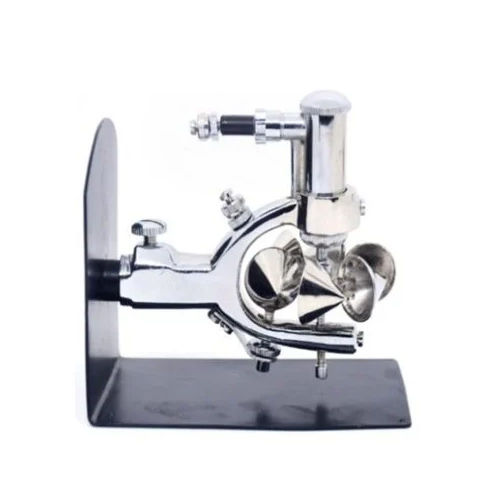







 Send Inquiry
 Send Inquiry
 Send SMS