Product Description
Low maintenance radar level transmitter sensors for accurate non-contact continuous level measurement in surface waters, lakes, reservoirs. Highly reliable, measuring ranges from 0-8 up to 120 meterVersatile Measurement TechnologySEBAPuls utilizes advanced non-contact radar technology, making it ideal for measuring levels of both liquid and solid materials. Its adaptability extends to environments with dust, vapor, and variable temperatures, ensuring consistent performance across industries.
Tailored for Industrial IntegrationWith a choice of antenna types and frequency ranges (24 GHz or 80 GHz), the SEBAPuls system fits various application requirements. The unit supports different power supplies and communications interfaces, allowing seamless installation in existing automation systems.
Robust and Reliable DesignConstructed with wetted parts in stainless steel or PTFE, SEBAPuls withstands corrosive or harsh process conditions. Its integrated LCD display (optional) delivers real-time information onsite, further enhancing operational control and efficiency.
FAQ's of Non-contact radar level measurement type SEBAPuls:
Q: How does the SEBAPuls radar level measurement system operate in processes with dust or vapor?
A: The SEBAPuls uses non-contact radar technology, which is unaffected by dust, vapor, or changing temperatures. This ensures accurate level readings even in processes with challenging environmental conditions.
Q: What are the main benefits of using the SEBAPuls for level measurement in tanks or silos?
A: SEBAPuls offers continuous, maintenance-free measurement without direct media contact, robust performance across a wide temperature range, and compatibility with liquids and solids. Its multiple antenna types and frequencies optimize accuracy based on application needs.
Q: When should I choose the horn antenna over the lens antenna for my application?
A: Horn antennas are generally recommended for standard level measurement tasks, especially in open or larger vessels, while lens antennas are preferable in confined spaces or where precise focusing is required, depending on process and installation requirements.
Q: Where can the SEBAPuls be installed for optimal performance?
A: SEBAPuls can be mounted on tanks, silos, or process vessels. Proper installation locations are chosen to provide a clear path to the surface being measured, avoiding interference from internal structures or heavy deposits.
Q: What communication interfaces are supported by SEBAPuls, and how do they benefit my process integration?
A: SEBAPuls supports 4-20 mA, HART, and optionally Profibus PA. These interfaces allow for easy integration into common industrial automation and control systems, enabling remote configuration and data monitoring
Q: How do I select the correct frequency range (24 GHz or 80 GHz) for my process needs?
A: 24 GHz models are typically suitable for general purposes and larger tanks, while 80 GHz options provide better focus and accuracy in narrower or more challenging environments, such as vessels with internal obstacles or small nozzles.
Q: What materials are used for wetted parts, and how does this influence chemical compatibility?
A: Wetted parts are available in stainless steel or PTFE. Stainless steel is ideal for most industrial applications, while PTFE offers superior resistance to aggressive chemicals, making it suitable for highly corrosive processes.
 Call Us : +919412072697 07971891549( PIN:590)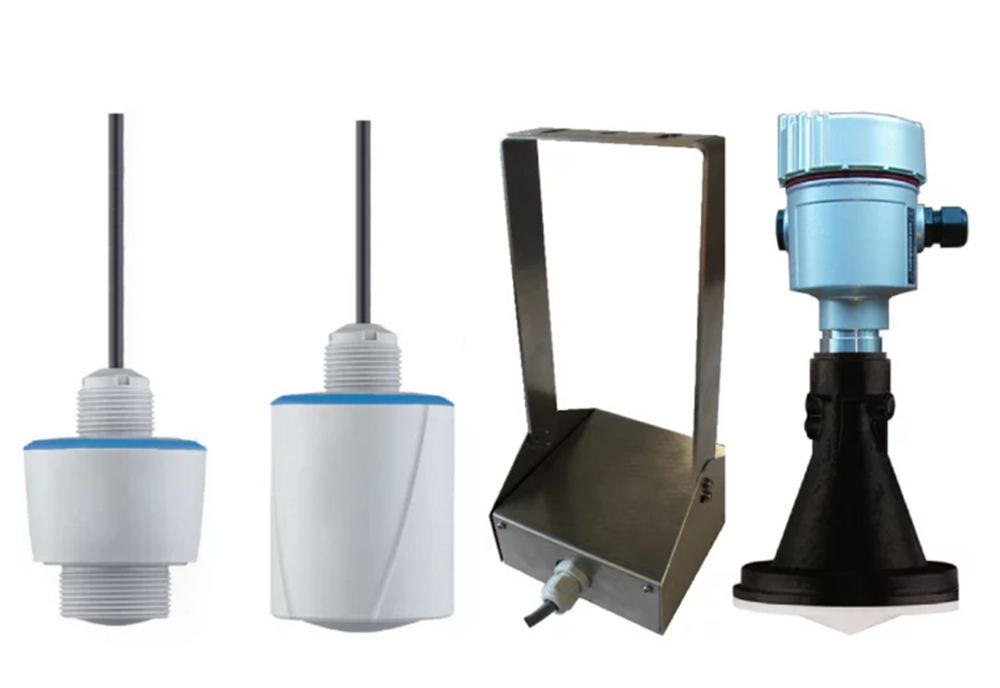







 Send Inquiry
 Send Inquiry
 Send SMS